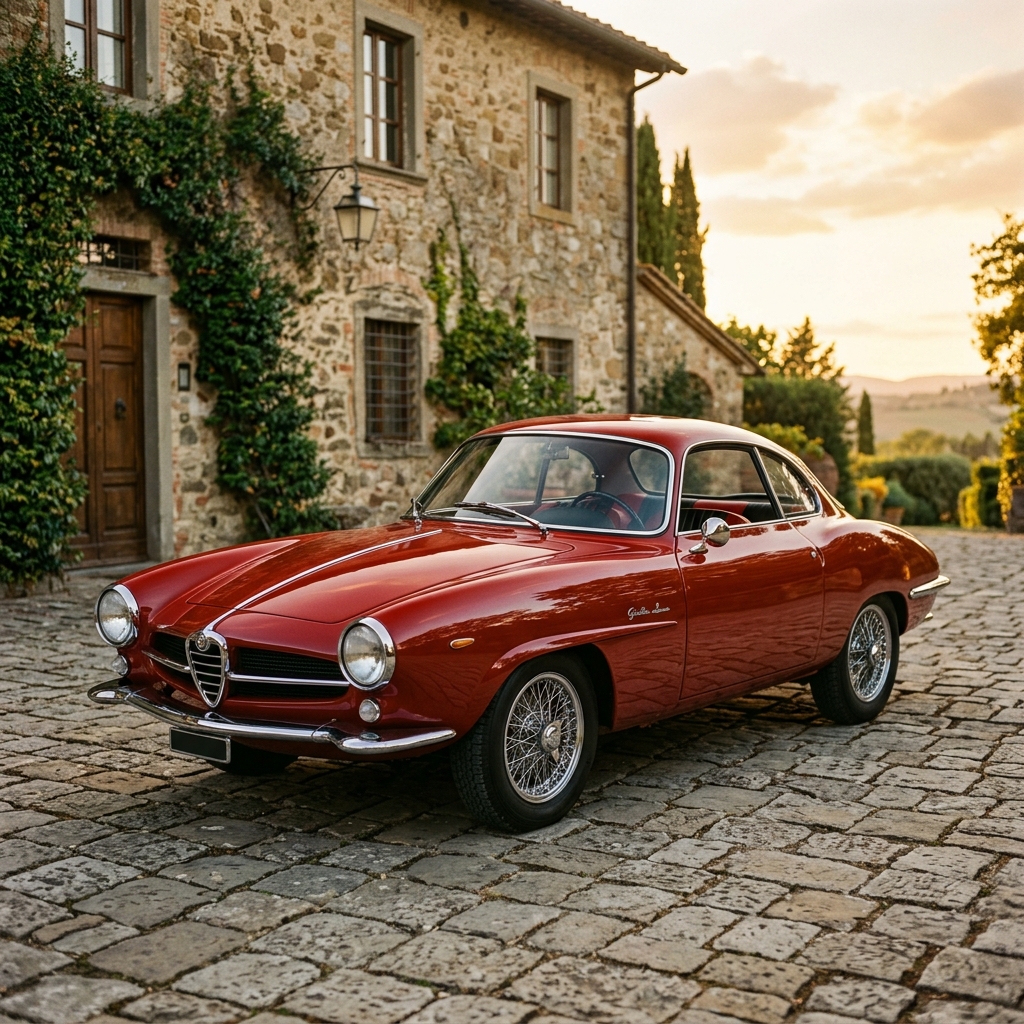
"Should I buy this car as an investment?" It's the most common question we get — and the answer is more nuanced than most articles suggest.
The Short Answer
Some classic cars are excellent investments. Most are not. Over the past 15 years, the top 10% of collector cars have outperformed the S&P 500. The bottom 50% have lost money after accounting for storage, insurance, and maintenance.
What the Data Shows
We analyzed over 50,000 auction results from 2010 to 2025 to understand real-world returns. Here's what we found:
Overall Market Performance
Category Winners (2010–2025)
Category Losers
The Hidden Costs Most People Ignore
When calculating returns, you must account for:
| Cost Category | Annual Estimate |
|---|---|
| Storage (climate-controlled) | $2,400–$6,000 |
| Insurance (agreed-value) | $800–$2,500 |
| Maintenance | $1,500–$5,000 |
| Registration/taxes | $300–$1,000 |
| **Total carrying cost** | **$5,000–$14,500/year** |
On a $100,000 car, that's a 5–14.5% annual drag on returns. This means your car needs to appreciate at least 5% per year just to break even.
What Makes a Car Appreciate
After analyzing thousands of transactions, we've identified the key appreciation drivers:
1. Scarcity + Demand
Limited production numbers alone aren't enough — there must also be sustained demand. The Ferrari F40 (1,315 built) appreciates because demand far exceeds supply. The Aston Martin Lagonda (645 built) does not because demand is minimal.
2. Cultural Significance
Cars that define an era or appear in iconic media tend to appreciate. The DeLorean (Back to the Future), Toyota AE86 (Initial D), and Ford GT40 (Le Mans '66) all have cultural tailwinds.
3. Mechanical Uniqueness
Cars with engines or technologies that can never be replicated command premiums. Naturally aspirated flat-sixes, V12s, manual transmissions — these are becoming extinct, and scarcity drives value.
4. Condition and Documentation
A documented, original, low-mileage example will always outperform a modified, undocumented one. In the collector market, provenance IS value.
Classic Cars vs Other Alternative Investments
| Investment | 15-Year Return | Liquidity | Enjoyment |
|---|---|---|---|
| S&P 500 | +10.4%/yr | High | Low |
| Real estate | +7.2%/yr | Low | Medium |
| Top-tier classics | +8.2%/yr | Medium | High |
| Wine | +6.1%/yr | Low | Medium |
| Art | +5.8%/yr | Low | Medium |
| Watches | +4.5%/yr | Medium | Medium |
Our Honest Take
Don't buy a classic car purely as an investment. The carrying costs are too high, the market is too illiquid, and the expertise required is too specialized for most people to generate competitive returns.
Do buy a classic car because you love it — and choose wisely so it holds or gains value. The best collector car "investments" are the ones you drive, enjoy, and take care of. If it also appreciates, that's a bonus.