Car Auction Fees: What You Pay on Top of the Winning Bid in 2026
The buyer's premium at Bring a Trailer, Cars & Bids and the traditional auction houses, what a seller pays to list, and how to set a maximum bid that includes the fee.
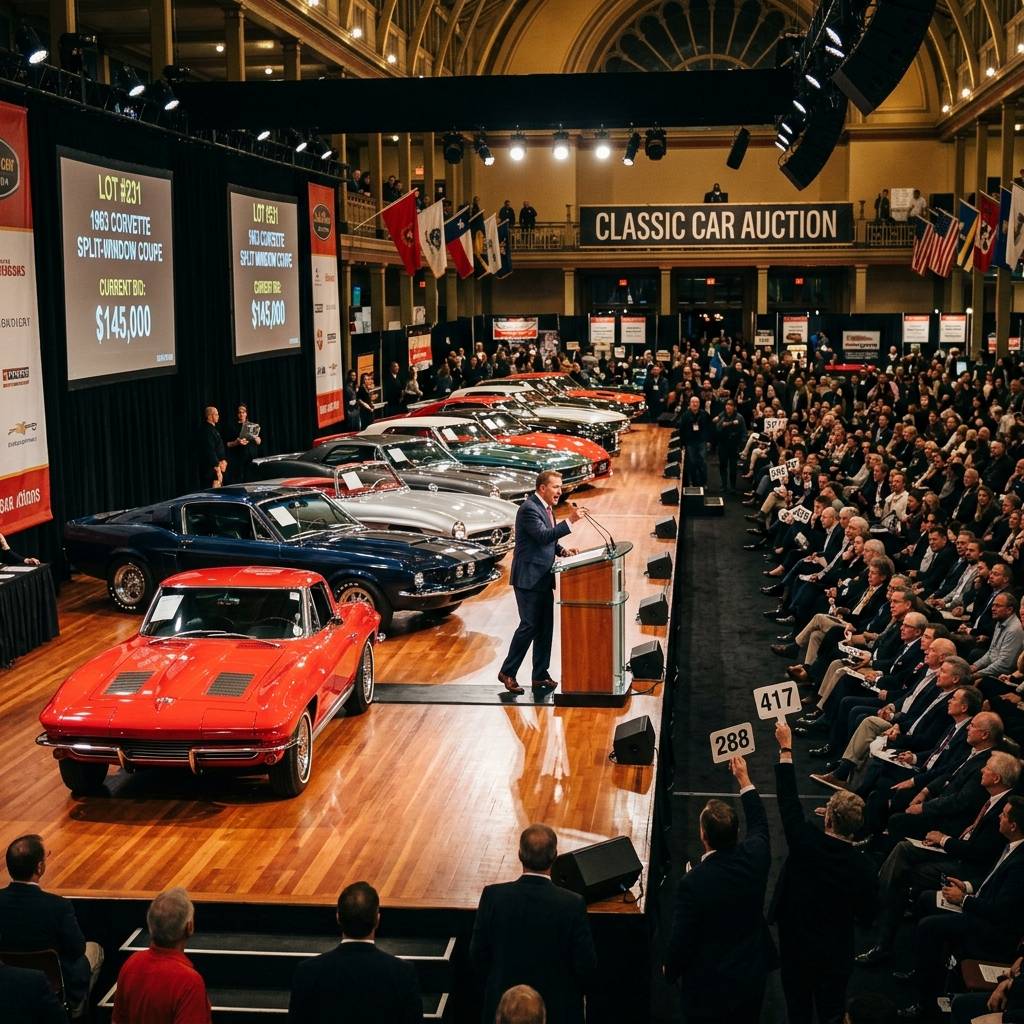
The number you see when an auction ends is rarely what the buyer pays. Almost every collector car auction adds a buyer's premium on top of the winning bid, and on a $100,000 car that can mean $5,000 to $12,000 more. This guide covers what the main platforms charge, what changed recently, and how to account for it.
Updated October 2026. Fees change, and the traditional houses set them per sale, so confirm the terms on the auction's own page before you bid.
Hammer price and all in price
- Hammer price: the winning bid.
- All in price: the winning bid plus the buyer's premium. This is what the buyer actually pays, before tax, transport and registration.
Online platforms usually publish the hammer price. The traditional auction houses usually publish the all in price. Comparing the two directly makes the online sales look about 5% cheaper than they really were. Sale prices on Motivyn are all in, so a result from one venue compares fairly with a result from another.
Online auction platforms
Bring a Trailer
- Buyer's fee: 5% of the winning bid, minimum $250, maximum $7,500. Above $150,000 the fee stays at $7,500.
- Seller: a listing fee from $99, with higher priced packages that add photography. No commission on the sale.
- Example: a $60,000 winning bid costs the buyer $63,000.
Cars & Bids
- Buyer's fee: 5% of the winning bid, minimum $250, maximum $7,500, since February 25, 2025. Before that it was 4.5%, minimum $225, maximum $4,500.
- Seller: free to list.
- Example: a $60,000 winning bid costs the buyer $63,000. The same car sold in 2024 cost $62,700.
Traditional auction houses
The live auction houses set the buyer's premium in the bidder terms for each sale, and the rate can depend on how you bid. What the recorded results show:
- Mecum: about 10% on vehicles for bidders in the room, with a minimum, and a higher rate for phone and online bidders.
- Barrett-Jackson: about 10% on vehicles.
- RM Sotheby's: at its US sales, typically 12% up to $250,000 and 10% above, with different rates at its European sales.
- Gooding: typically 12% up to $250,000 and 10% above.
Sellers at the traditional houses pay a consignment fee that is usually negotiated per car, often with entry or marketing fees on top.
What it costs on a $100,000 car
| Venue | Buyer's premium | Buyer pays |
|---|---|---|
| Bring a Trailer | $5,000 | $105,000 |
| Cars & Bids | $5,000 | $105,000 |
| Mecum (in the room) | about $10,000 | about $110,000 |
| Barrett-Jackson | about $10,000 | about $110,000 |
| RM Sotheby's or Gooding (US) | about $12,000 | about $112,000 |
On a $1 million car the online caps matter: Bring a Trailer and Cars & Bids would add $7,500, while a traditional house at 12% and 10% would add about $105,000.
Setting your maximum bid
Work backward from the most you want to pay in total:
- Decide your all in budget, say $100,000.
- Divide by one plus the premium. At 5%, your maximum bid is about $95,200. At 10%, about $90,900. At 12%, about $89,300.
- Check the cap. On an online platform above $150,000, simply subtract $7,500.
For sellers
- A higher fee venue with more of the right buyers can still net you more. Compare recent results for your exact car at each venue, all in, before choosing.
- No reserve listings tend to draw more bidders.
- At the traditional houses, the consignment fee is negotiable, especially for a car the house wants.
Compare like with like
When you look up what a car sold for, check whether the figure includes the buyer's premium. On Motivyn it always does, which is why a Bring a Trailer result there is about 5% higher than the number on the listing page.