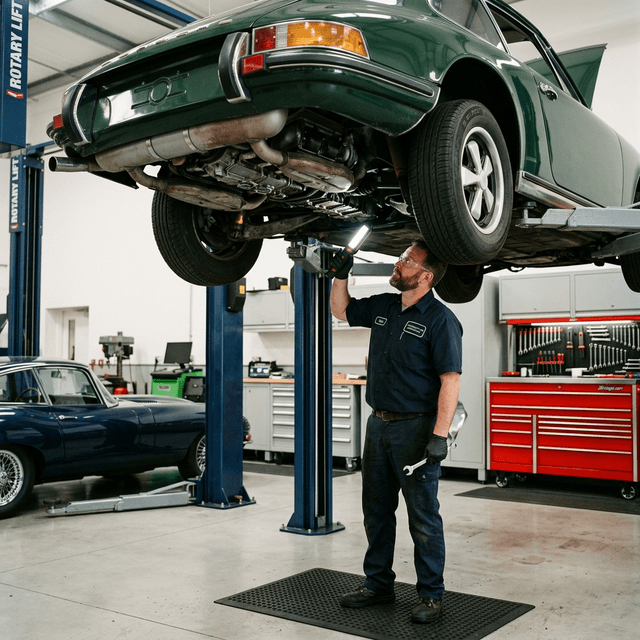
You don't need to be a mechanic to catch 80% of the problems with a used car. This 30-point checklist is what we recommend for any in-person inspection.
Exterior (10 Points)
1.
Panel gaps: Walk around the car and check that all gaps between panels are even. Uneven gaps suggest accident repair
2.
Paint matching: Look at each panel in direct sunlight. Mismatched paint indicates bodywork
3.
Paint depth: Run your hand along panels. Rough or orange-peel texture in one area suggests respray
4.
Rust check: Inspect wheel arches, rocker panels, door bottoms, and trunk floor
5.
Glass: Check all glass for chips, cracks, and that date codes are consistent (indicating original glass)
6.
Tire wear: Uneven wear indicates alignment issues or suspension problems
7.
Wheel condition: Curb rash and damaged wheels suggest careless ownership
8.
Lights: Test all lights — headlights, taillights, turn signals, fog lights
9.
Seals and trim: Check rubber seals around doors and windows for cracking or shrinking
10.
Under the car: Look for fluid leaks, rust, and any obvious damage to the undercarriage
Interior (10 Points)
11.
Seat condition: Wear should be consistent with claimed mileage
12.
Steering wheel: Heavy wear on a "low mileage" car is a red flag
13.
Pedal wear: Worn pedal rubbers on a supposedly low-mileage car warrant questions
14.
Electronics: Test every button, switch, and screen
15.
HVAC: Run the AC on full cold and the heat on full hot
16.
Windows: Test all power windows — slow operation suggests failing motors
17.
Odors: Musty smells suggest water intrusion; burning smells suggest mechanical issues
18.
Trunk: Check for water intrusion, spare tire condition, and signs of accident damage
19.
Carpet condition: Lift floor mats and check for stains, moisture, or replaced carpet
20.
VIN plates: Verify VIN matches the title and is present on the dash, door jamb, and engine bay
Mechanical (10 Points)
21.
Cold start: Always inspect the car before the seller has warmed it up. Cold starts reveal the most
22.
Engine bay: Look for fluid leaks, corrosion, non-original parts, and general cleanliness
23.
Oil condition: Pull the dipstick — dark, gritty oil suggests poor maintenance
24.
Coolant condition: Should be the correct color for the make, not brown or milky
25.
Brakes: Test at various speeds — pulling, pulsing, or grinding are all problems
26.
Suspension: Drive over speed bumps and listen for clunks, creaks, or excessive body roll
27.
Transmission: Test all gears, including reverse. Listen for grinding or difficulty shifting
28.
Exhaust: Blue smoke = oil burning. White smoke = coolant leak. Black smoke = running rich
29.
Test drive: At least 20 minutes, including highway speeds and parking maneuvers
30.
OBD scan: Bring a basic OBD2 scanner ($20-$50) and check for stored or pending codes
When to Walk Away
Walk away immediately if:
▸The seller won't let you do a cold start
▸The VIN doesn't match the title
▸There's evidence of flood damage (water lines in the trunk, musty smell, sand in crevices)
▸The seller can't provide the title at time of sale
▸Your gut says something is wrong — trust your instincts